March 2015
By Amy Hartmann
Over the past several years, I’ve been asked (multiple times), my thoughts regarding the perceived biblical perspective on getting a tattoo. Some have expressed strong ‘old school’ negative opinions regarding this sweeping phenomena. Others felt guilty about receiving parental or peer condemnation for their tattoos. Not having a tattoo myself, I decided to dig into the history and biblical perspective, after a specific passage in the Old Testament book of Isaiah caught my attention. 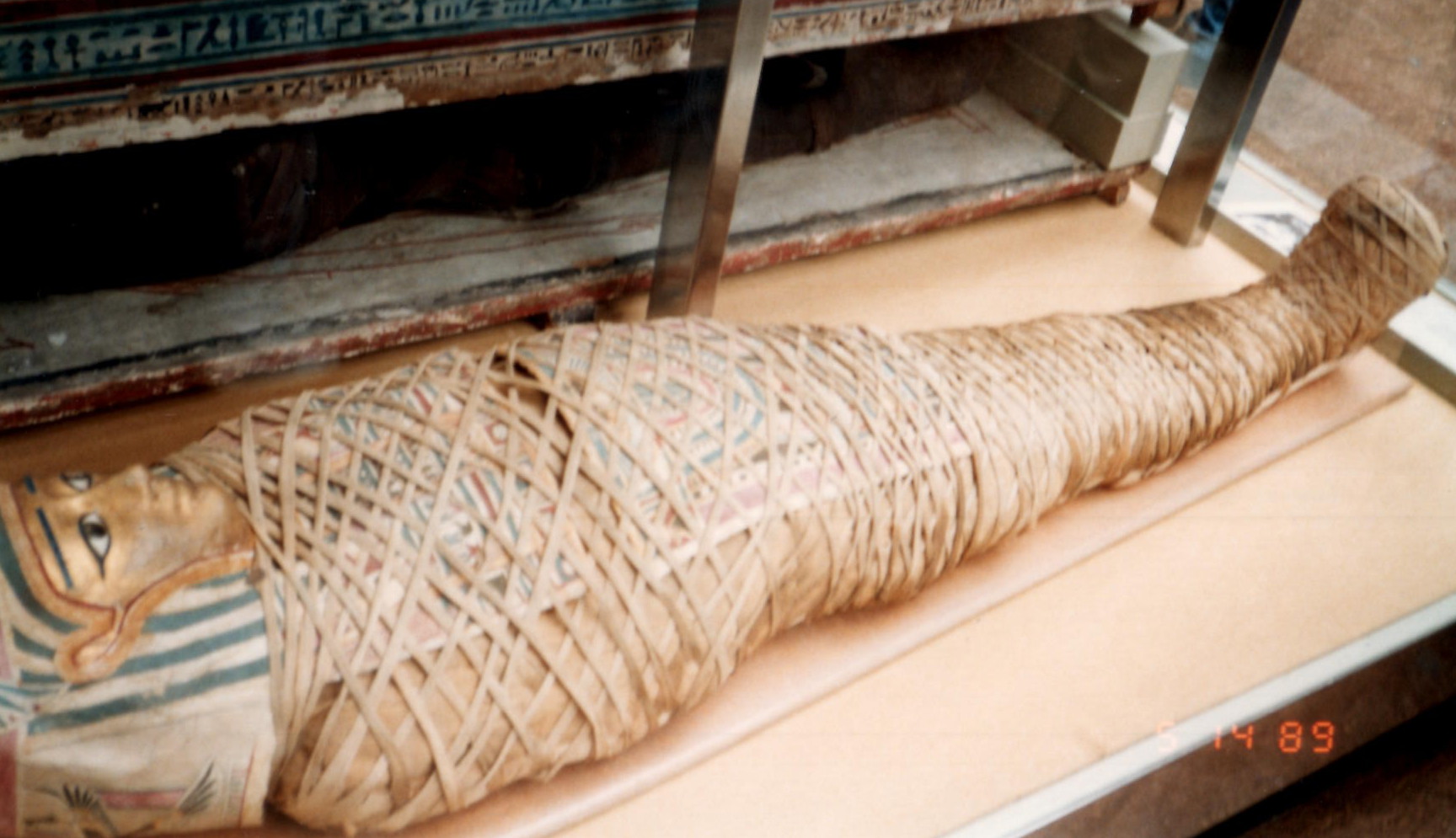
Tattoo History 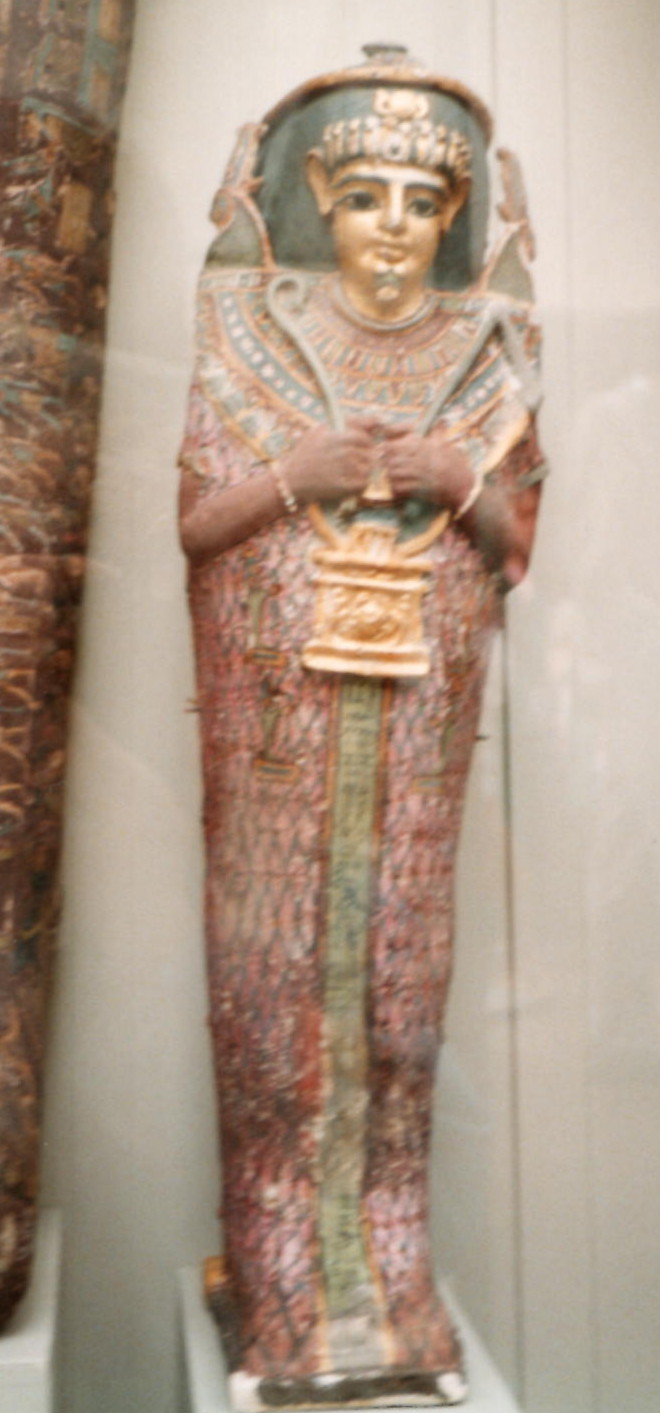
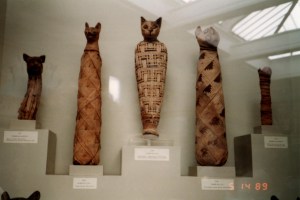
According to a January 1, 2007, article by Cate Lineberry in The Smithsonian, entitled, “Tattoos – The Ancient and Mysterious History”, this form of body marking has been found on mummies dating back as far as the famous, frozen 5,200 year-old “Iceman”, a mummy found in the area of the Italian-Austrian border in 1991.(1) Ms. Lineberry’s interview with Joann Fletcher, research fellow in the Department of Archaeology at the University of York in Britain, revealed some interesting historical tattoo discussion points:
- “Until the “Iceman” discovery, the earliest examples were thought to be Egyptian female mummies which dated to 2000 B.C.(2)
- Marking implements were found, which dated back to c.3000 B.C.; some were wooden and some of bronze.(3)
- Soot was one of the earliest forms of pigment; however, the Inuit culture were believed to have used a yellow color along with the darker pigments.(4)
- Mummified remains of women of the indigenous C-group found in the Nubians (to the south of Egypt; discovered in cemeteries near Kubban c.2000-1500 B.C.) revealed blue tattoos.(5)
- Ancient Egyptians represented the male leaders of the Libyan neighbors with clear, geometrical tattoo marks on their arms and legs (images portrayed in Egyptian tomb, temple and palace scenes).(6)
- Greek writer Herodotus c.450 B.C. stated that among the Scythian and Thracian cultures, “tattoos were a mark of nobility, and to not have them was testimony of low birth”.(7)
- Romans named a northern Ancient Briton tribe “Picti”, literally “the painted people”.(8)
- Greek and Roman cultures used tattoos or “stigmata” to mark slaves, prostitutes, criminals or sometimes someone belonging to a religious sect.(9)
- Much recent evidence shows that women primarily tattooed their bodies and limbs as far back as 4000-3500 B.C; especially in the Egyptian and Greco-Roman burials. Most of these markings were of “amulet” origin and were found on concubines and prostitutes. Some experts believe they served as a form of religious ceremonial protection against sexually transmitted disease and for childbirth.(10)
- With the emergence of Christianity, tattoos were banned by the Emperor Constantine (A.D. 306-373) because they were felt to “disfigure that made in God’s image”.(11)
- Extensive facial and body tattooing occurred among Native Americans (such as the Cree); Greenland Inuit women (c.A.D. 1475) reveal evidence of tattooing.(12)
- China mummies depict tattooing; Han Dynasty (202 B.C.-A.D.220) only tattooed criminals. Japanese men took up this custom in the late A.D. 3rd century. (13)
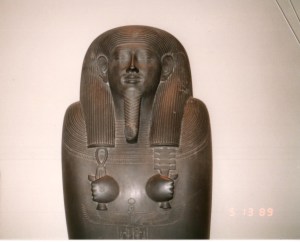
- Polynesian cultures used the term “tatatau” or “tattau” and James Cook’s British expedition in 1769 brought this term into popular use.(14)
- European sailors and coal miners sported these markings around the same time; presumably explaining the amulet-like use of anchors and miner’s lamp marking on the forearms.(15)
- In the Maori culture of New Zealand, markings on the forehead conveyed specific information; a form of ID or passport; a kind of aesthetic bar code for the face.(16)



What Isaiah Saw
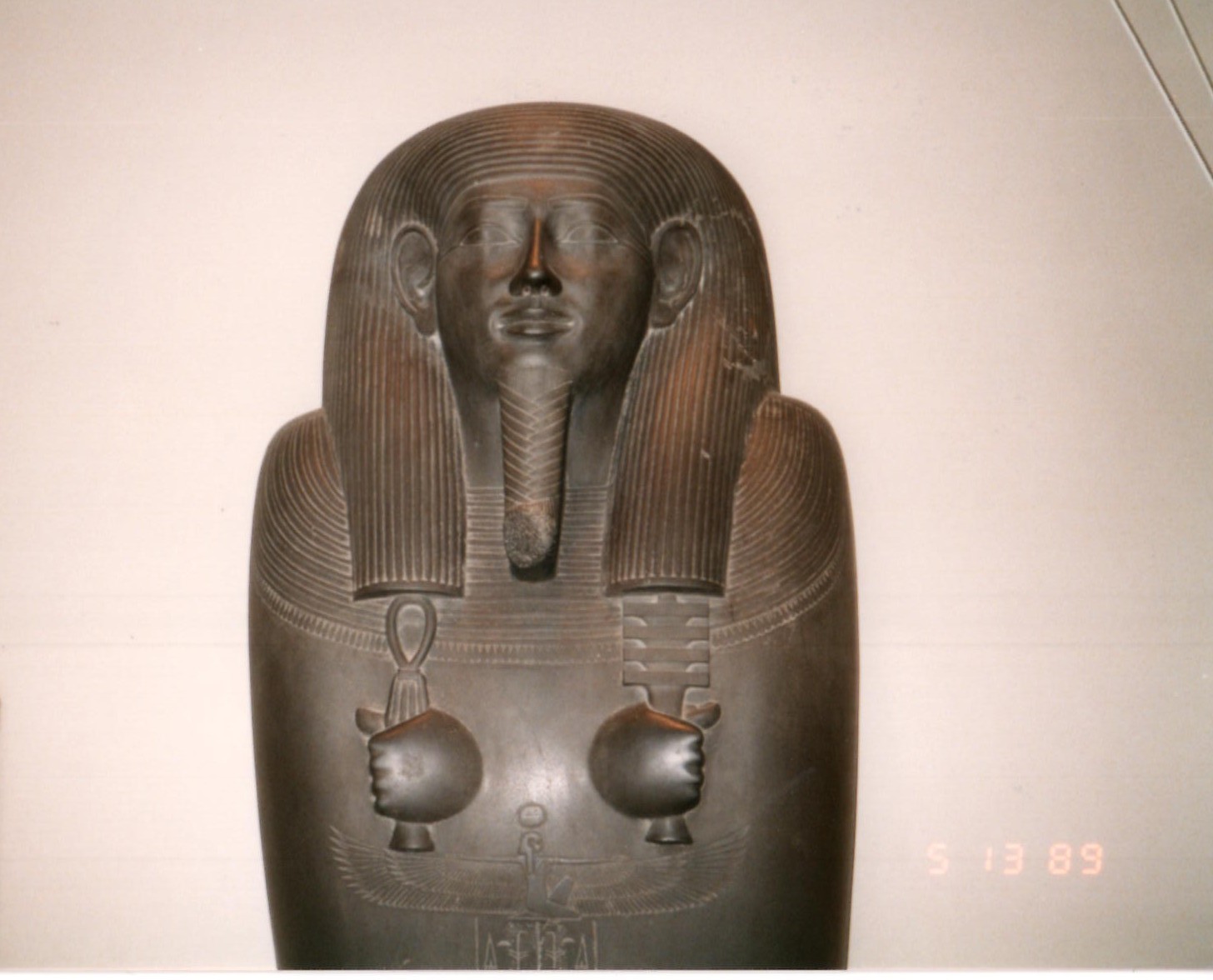
Isaiah was a Prophet and advisor to the kings of Judah during the reign of Uzziah, Jothan, Ahaz, Hezekiah and possibly Manasseh (740-701 B.C.).(17) “He enjoyed a significant position in the contemporary society …His education is evident in his superb writing that has gained him an eminence in Hebrew literature hardly surpassed by any other. He had a thorough grasp of political history and dared to voice unpopular minority views regarding the state and the economy.” “Isaiah was called to be a prophet of God (Yahweh) in striking visions which he experienced in the Temple (in Jerusalem) about 740 B.C., the year King Uzziah died”.(18) “His themes throughout his writings include:
- God knows His people’s sins but calls them back to Himself (Chapters 1-12).
- God’s sovereignty extends to all nations, whether acknowledged or not (Ch 13-23).
- God’s triumph over evil means deliverance for His people (Ch 24-27).
- God’s people must be different (Ch 28-39).
- God’s words of comfort for His confused people (Ch 40-55).
- Salvation and healing comes to many through the suffering of the promised One, The Christ (Ch 53).
- God’s word to His imperfect people (Ch 56-66).”(19)
Isaiah’s vision showed him the Throne room of God and the tumultuous events of the future. Many of those events unfolded as Isaiah served the various kings of Judah during their reigns. His chapter on the vision of Jesus, and how Jesus would suffer the crucifixion and resurrection to bring atonement for the sins of the world is so powerful. However, much of Isaiah’s perspective points to our day and the apocalyptic days of the future, especially regarding events in the Middle East. “Apocalypticism is an expressive term which denotes the unveiling of the future. Portions of Ezekiel, Joel and Daniel are written in this style marked by cosmological orientation…symbolism so bewildering…that the writer penned his forecast in the symbolic language of faith, pointing to a resolution of world history…”(20) It was in this language of the future that Isaiah saw generations that would begin to use their bodies to express the outpouring of the Holy Spirit in unprecedented ways.
“But now listen, O Jacob My servant, and Israel, whom I have chosen. Thus says the Lord who made you and formed you from the womb, who will help you. Do not fear, O Jacob My servant, and you Jeshurun (ancient name for Jerusalem) whom I have chosen. For I will pour out water on the thirsty land and streams on the dry ground. I will pour out My Spirit on your offspring and My blessing on your descendants; and they will spring up among the grass like poplars by streams of water. This one will say, “I am the Lord’s; and that one will call on the name of Jacob; and another will write [H#3789] on his hand, “Belonging to the Lord” and will name Israel’s name with honor.”(21)
Go with the Verbs
Numerous passages offer interesting perspectives, so I decided to focus on the verbs. The ‘he shall write’ reference shows:
[Hebrew #3789 kathab (kaw-thab’); a primitive root; to grave, by implication, to write (describe, inscribe, prescribe, subscribe). KJV: describe, record, prescribe, subscribe, write, writing, written.](22)
This verb first shows up in Exodus 17:14 and references “writing as a memorial in a book”. The same word is used to describe God’s handwriting on the tablets of stone He wrote when giving Moses the original Ten Commandments (Exodus 34:1) . The passage which has caused so many people to feel condemnation is found in the detailed laws of Moses which are documented in the book of Leviticus:
“You shall not make any cuts[H#8296] in your body for the dead, nor make any tattoo [H#3793] marks [H#7085] on yourselves, I AM the Lord.”(23)
[Hebrew #8296 seret (seh’ret) and sareteth (saw-reh’-teth) from H8295; an incision; cutting](24)
[Hebrew #3793 kthobeth (keth-o-beth) a letter or other mark branded on the skin; (from H# 3789)].(25)
[Hebrew #7085 qa’aqa (kah-ak-ah) in incision or gash; from the same as H#6970].(26)
The word ‘tattoo’ is not found in the original language. The context of the passage is regarding the pagan custom of cutting and blood letting to mourn for dead family members and friends; and homage pagan priests made to idols.(27) The Levitical priests were commanded not to take up this detestable practice.(28)
God’s Tattoos
Isaiah captured another amazing vision aspect of God, and His comfort for all those who are hurting and processing great seasons of turmoil, strife, destruction by enemy forces, transition, conflict and even abandonment:
But Zion said, “The Lord has forsaken me, the Lord has forgotten me.”
“Can a mother forget the baby at her breast and have no compassion on the child she has borne? Though she may forget, I will not forget you! [God replies] See, I have engraved [H#2710] you on the palms of My hands; your walls (of Jerusalem) are ever before Me.”(29)
[Hebrew #2710 chaqaq (khaw-kak’) a primitive root; properly, to hack; i.e. engrave (Judges 5:14, to be a scribe simply); by implication, to enact (laws being cut in stone or metal tablets in primitive times) or (generally) prescribe. Appoint, decree, governor, grave, lawgiver, note, portray, print, set.](30)
Written on Jesus’ Thigh
Another interesting passage is found in the New Testament book of Revelation, (John the Disciple and Revelator’s apocalyptic writings). John says this of his vision of Jesus: 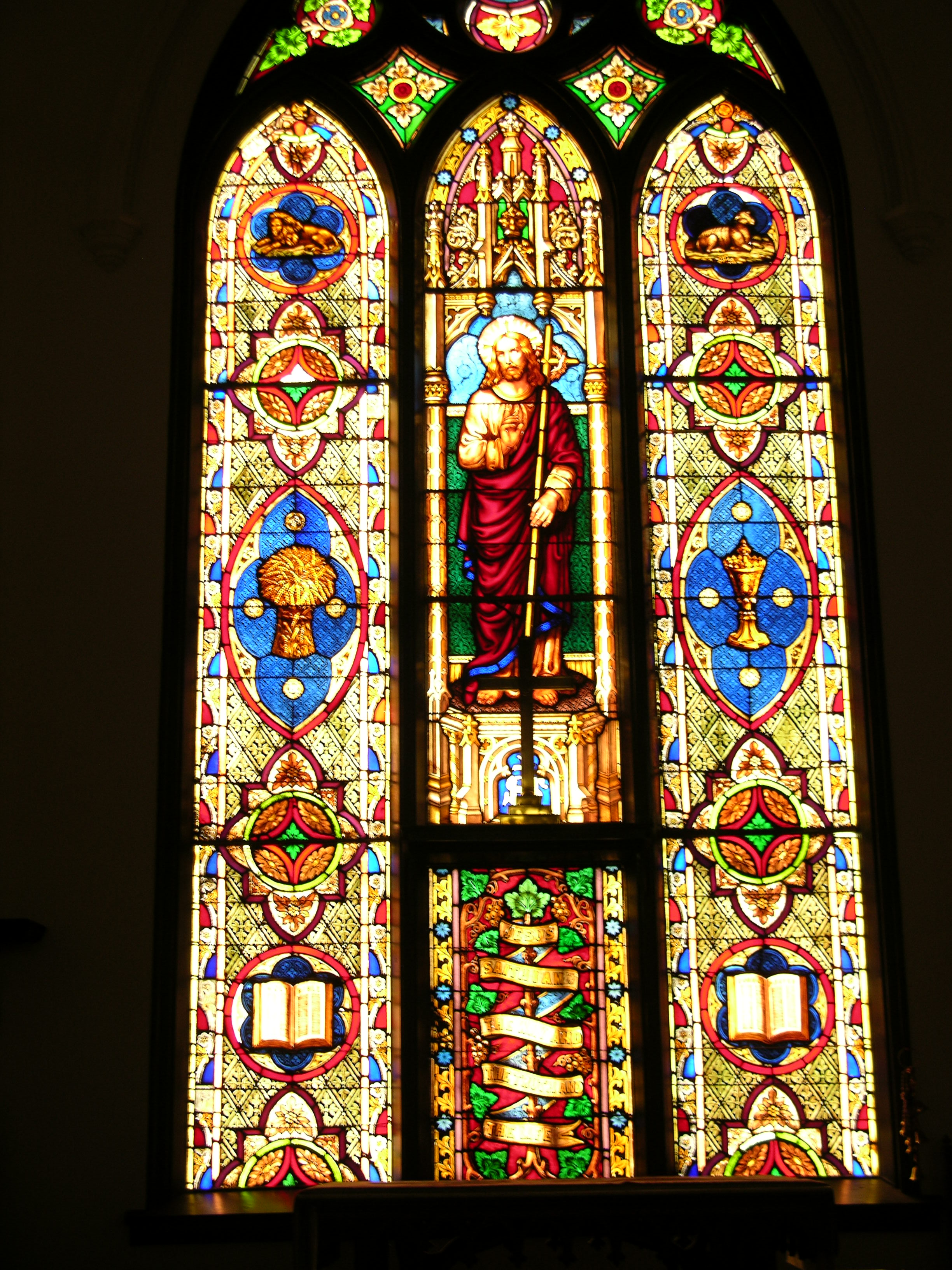
“I saw Heaven standing open and there before me was a white horse, whose rider is called Faithful and True. With justice He judges and makes war. His eyes are like blazing fire, and on His head are many crowns. He has a name written on Him that no one knows but He Himself. He is dressed in a robe dipped in blood, and His name is The Word of God. (See the Gospel of John 1: 1-14). The armies of Heaven were following Him, riding on white horses and dressed in fine linen, white and clean. Out of His mouth comes a sharp sword with which to strike down the nations. “He will rule them with an iron scepter.” He treads the winepress of the fury of the wrath of God Almighty. On His robe and on His thigh He has this name written: KING OF KINGS AND LORD OF LORDS.”(31)
God’s Promises
One last set of interesting passages on this subject of body writing. The prophet Jeremiah records:
“This is the Covenant I will make with the House of Israel after that time, declares the Lord. I will put My laws in their minds and write [H#3789 referenced above] them on their hearts. I will be their God and they will be My people.”(32)
The writer of the New Testament book of Hebrews carries this same reference [G#1924] forward in the context of the work God does, through Jesus’ sacrificial death on the cross – which established a new covenant which encompasses all believers – not just those from the House of Israel and Judah.(33)
[Greek #1924 epigrapho (ep-ee-graf-o) to inscribe (physically or mentally); from G#1909 and G#1125].(34)
John the Revelator also captures a poignant promise Jesus made to the church of Philadelphia [not in Pennsylvania]:
“I AM coming soon. Hold on to what you have (your belief in ME) so that no one will take your crown. He who overcomes, I will make him a pillar in the temple of My God, and he will not go out from it anymore; and I will write [G# 1125] on him the name of My God, and the name of the city of My God, the new Jerusalem, which comes down out of Heaven from My God, and My new Name. He who has an ear, let him hear what the Spirit says to the churches.”(35)
Jesus was talking about the church that showed real brotherly love towards each other, and towards the lost and broken.
[Greek #1125 grapho; to “grave”, especially to write; to describe].(36)
Tattoo Safety Concerns
My final vein of research focused on the question of safety and medical concerns surrounding the tattoo process. I wish I had better news. The Mayo Clinic website offered these cautions:
- Tattoo dyes (especially red, green, yellow and blue) can cause allergic skin reactions; rashes can occur even years later.(37)
- Skin infections, skin problems and bumps called granulomas form around tattoo ink; keloids are another tattooing problem (raised areas caused by an overgrowth of scar tissue).(38)
- Blood borne diseases – improperly cleaned and unsterilized equipment may be contaminated with infected blood; tetanus, hepatitis B and hepatitis C, as well as other blood borne infections, are a very real risk.(39)
- Future medical tests, such as MRI complications exist. Tattoo pigments can interfere with imaging, and with the case of an epidural, ink materials may be carried into the spinal fluid.(40)
- Dermatological removal releases the dye contaminants into the glands and the liver for processing and removal.(41)(42)
[My note: Hepatitis C has no known cure yet. Once infected with this disease, you become a carrier as well. One doctor stated, “whatever you put in or on your skin winds up in your liver]. U.S. News and World Report – Health carried this piece by Doctor Bernadine Healy, in her article entitled “The Dangerous Art of the Tattoo”, dated July 25, 2008:
- “Black Henna Tattoo chemicals can cause severe skin reactions.”(43)
- “Chemists from several laboratories, including the government’s National Center for Toxicological Research, have identified low levels of carcinogens in tattoo ink.”(44)
- “The FDA warns about the risk of tattoo parlors transmitting viruses like HIV and the cancer causing hepatitis C…. The FDA also warns patients that an MRI scan can cause tattoos to swell or burn, presumably related to the metal in some inks…. In fact, no one really knows exactly what’s in the numerous commercial and homemade inks. But they do contain solvents and metals like lead and mercury and a range of impurities acceptable for computer printers or car paint – BUT not made for human injection.”(45)
The American Academy of Dermatology mirrors the same above concerns and offers this additional warning:
- “Tattoo pigments may contain industrial organic pigments, including azo and polycyclic compounds, sandalwood and Brazil wood, as well as aluminum, cadmium, calcium, copper, iron, phosphorus, silica, sulphur, titanium dioxide and barium sulphate, each of which may be the cause of a skin reaction like a rash or be toxic.”(46)
- Specific Guidelines for tattoo safety may be accessed at: https://www.aad.org/media-resources/stats-and-facts/prevention-and-care/tattoos-and-body-piercings.”(47)
Patrick J. Skerret, Executive Editor of Harvard Health, in his article entitled “Tattoos and infection: Think before you ink”; references reports in the Journal of the American Medical Association which describe multi-state outbreaks of tattoo-related infections, all pointing back to Mycobacterium bacteria. Other related illnesses include mild rashes all the way up to severe abscesses that require surgery and several months of antibiotic therapy.(48) He also states, “The infection outbreaks described in JAMA aren’t the first such report. One in Ohio, Kentucky, and Vermont involved methicillin-resistant Staphylococcus aureus (sometimes known as MRSA) a hard to treat bug that can cause substantial damage to the skin and the rest of the body. The possibility exits that tattooing can transmit even more harmful microbes, such as the viruses that cause hepatitis or AIDS…”(49) One last somber report: Julie Genser, in her article, “The Truth about Tattoos: Health Risks, Toxicity and More”, dated September 28, 2007, raised these sobering concerns:
- “Today’s tattoo inks contain an unknown conglomeration of metallic salts (oxides, sulphides, selenides), organic dyes or plastics suspended in a carrier solution for consistency of application. …Many of the chemicals found were originally intened for use in writing and printer inks, as well as automobile paints.”(50)
- “The carrier solution itself might contain harmful substances such as denatured alcohols, methanol, rubbing alcohol, antifreeze detergents, or formaldehyde and other toxic aldehydes.”(51)
- “The oldest pigments came from using ground up minerals and carbon black. According to Wikipedia.org, a wide range of dyes and pigments are now used in tattoos, “ from inorganic materials like titanium dioxide and iron oxides to carbon black, azo dyes, and acridine quinoline, phthaleocyanine and naphthol derivaties, dyes made from ash and other mixtures.” Currently popular is Acrylonitrile butadiene styrene (ABS plastic) used in Intenze, Millenium and other ABS pigmented brands.”(52)
- “Allergic reactions have occurred with some of the many metals put into tattoo inks, nickel being one of the most common metal allergies. Others have reacted to the mercury in red cinnabar, to cobalt blue, and to cadmium sulfite when used as a yellow pigment. Some inks were found to have high levels of lead, some contained lithium, and the blue inks were full of copper.”(53)
ENDNOTES:
(1) Lineberry, Cate, “Tattoos, The Ancient and Mysterious History”; http://www.smithsonianmag.com/history/tattoos-144038580/?no-ist ; accessed February 27, 2015.
(2) Ibid; page 1.
(3) Ibid; page 2.
(4) Ibid; page 3
(5) Ibid; page 3.
(6) Ibid; page 3.
(7) Ibid; page 3.
(8) Ibid; page 4.
(9) Ibid; page 4.
(10) Ibid; page 1-3.
(11) Ibid; page 4.
(12) Ibid. page 4.
(13) Ibid. page 5.
(14) Ibid; page 5.
(15) Ibid; page 5.
(16) “Isaiah”; “Holman Bible Dictionary”; copyright 1991 Holman Bible Publishers; Nashville, TN; page 716-720.
(17) Ibid.
(18) Excerpts from “Isaiah – Outline”; “Holman Bible Dictionary”; copyright 1991 Holman Bible Publishers; Nashville, TN; pages 719-720.
(19) Ibid; page 718.
(20) Isaiah 44:1-5; Zodhiates, Spiros, Th.D.; “Hebrew-Greek Key Word Study Bible;” copyright 1960, 1962, 1963,1968, 1971, 1972,1973,1975, 1977; The Lockman Foundation; 1984 and 1990; AMG International, Inc. Chattanooga, TN; page 953.
(21) Hebrew #3789 ‘kathab’; “The New Strong’s Exhaustive Concordance of the Bible”; copyright 1995,1996; Thomas Nelson Publishers; Nashville, TN; page 67.
(22) Leviticus 19:28; “The Comparative Study Bible – The New International Version”; copyright 1999; Zondervan Publishers, Grand Rapids, MI: page 313.
(23) Hebrew #8296 ‘seret’; “The New Strong’s Exhaustive Concordance of the Bible”; copyright 1995,1996; Thomas Nelson Publishers; Nashville, TN; page 148.
(24) Hebrew #3793 ‘kthobeth’; “The New Strong’s Exhaustive Concordance of the Bible”; copyright 1995,1996; Thomas Nelson Publishers; Nashville, TN; page 67.
(25) Hebrew #7085 ‘qa’aqa’; “The New Strong’s Exhaustive Concordance of the Bible”; copyright 1995,1996; Thomas Nelson Publishers; Nashville, TN; page 126.
(26) I Kings 18:20-28; “The Comparative Study Bible – The New International Version”; copyright 1999; Zondervan Publishers, Grand Rapids, MI: page 919. Jeremiah 48:37, “The Comparative Study Bible – The New International Version”; copyright 1999; Zondervan Publishers, Grand Rapids, MI: page 2029.
(27) Leviticus 21:5; “The Comparative Study Bible – The New International Version”; copyright 1999; Zondervan Publishers, Grand Rapids, MI: page 316.
(28) Isaiah 49:14-16; “The Comparative Study Bible – The New International Version”; copyright 1999; Zondervan Publishers, Grand Rapids, MI: page 1841.
(29) Hebrews #2710 ‘chaqaq’; “The New Strong’s Exhaustive Concordance of the Bible”; copyright 1995,1996; Thomas Nelson Publishers; Nashville, TN; page 47.
(30) Revelation 19:11-16; “The Comparative Study Bible – The New International Version”; copyright 1999; Zondervan Publishers, Grand Rapids, MI: page 3215.
(31) Jeremiah 31:31-33; “The Comparative Study Bible – The New International Version”; copyright 1999; Zondervan Publishers, Grand Rapids, MI: page 1981.
(32) Hebrews 8:10; “The Comparative Study Bible – The New International Version”; copyright 1999; Zondervan Publishers, Grand Rapids, MI: page 3101.
(33) Greek #1924 ‘epigrapho’; “The New Strong’s Exhaustive Concordance of the Bible”; copyright 1995,1996; Thomas Nelson Publishers; Nashville, TN; page 34.
(34) Greek #1125; “The New Strong’s Exhaustive Concordance of the Bible”; copyright 1995,1996; Thomas Nelson Publishers; Nashville, TN; page 20.
(35) Revelation 19:11-16; “The Comparative Study Bible – The New International Version”; copyright 1999; Zondervan Publishers, Grand Rapids, MI: page 3215
(36) “Tattoos: Understand risks and precautions”; by Mayo Clinic Staff; http://www.mayoclinic.org/healthy-living/adult-health/in-depth/tattoos-and-piercings/art-20045067 ; accessed February 28, 2015.
(37) Ibid. (38) Ibid. (39) Ibid. (40) Ibid. (41) “WebMD;“The Truth About Tattoos”; http://www.webmd.com/skin-problems-and-treatments/video/truth-about-tattoos#video-transcript ; accessed February 28, 2015.
(42) Healy, Bernadine, M.D.; “US News and World Report Health: The Dangerous Art of the Tattoo”; http://health.usnews.com/health-news/family-health/articles/2008/07/25/the-dangerous-art-of-the-tattoo ; accessed February 28, 2015.
(43) Ibid.
(44) Ibid.
(45) The American Academy of Dermatology; “Tattoos and body piercings”; https://www.aad.org/media-resources/stats-and-facts/prevention-and-care/tattoos-and-body-piercings ; accessed March 02, 2015
(46) Ibid.
(47) Skerrett, Patrick J.; “Tattoos and infection: Think before you ink”; http://www.health.harvard.edu/blog/tattoos-and-infection-think-before-you-ink-201210125405 ; accessed March 02, 2015.
(48) Ibid.
(49) Genser, Julie; “The Truth about Tattoos: Health Risks, Toxicity and More”; http://www.naturalnews.com/022073.html ; accessed February 28, 2015.
(50) Ibid.
(51) Ibid.
(52) Ibid.
(53) Ibid.





























 Not A Matter of Talk